

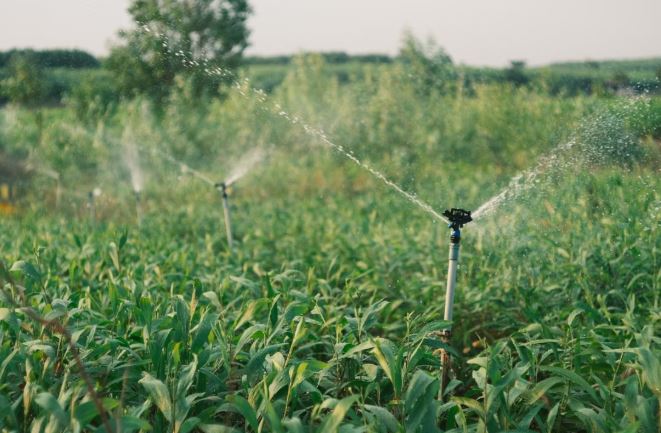
From drip irrigation and soil-moisture sensors to automated watering systems, smart irrigation is helping farmers conserve water, reduce cultivation costs and improve agricultural productivity.
Water is one of the most important resources in agriculture, yet a considerable amount can be wasted when fields are overwatered or irrigation is poorly managed. With changing rainfall patterns, rising temperatures and increasing pressure on groundwater, efficient water management has become essential for Indian agriculture.
Smart irrigation is emerging as a practical solution. By combining modern irrigation equipment with sensors, weather information and automated controls, farmers can supply water to crops when it is needed and in the right quantity. This approach can help reduce unnecessary water use while supporting more sustainable and productive farming.
What Is Smart Irrigation?
Smart irrigation uses technology to monitor soil conditions, crop requirements and weather patterns before deciding when and how much water should be supplied to a field. Unlike traditional methods that may rely on fixed watering schedules or visual estimates, these systems help farmers make more informed irrigation decisions.
The technology includes drip irrigation, sprinkler systems, soil-moisture sensors, automated pumps and digital monitoring tools. Some systems can automatically start or stop watering based on soil moisture levels, while others allow farmers to monitor their fields and manage irrigation through mobile applications.
The objective is simple: deliver water more efficiently, minimise unnecessary use and maintain suitable moisture levels for healthy crop growth.
Where Is Smart Irrigation Used?
Smart irrigation can be used across different types of farming, depending on the crop, soil, climate and availability of water.
Drip irrigation: This system delivers water close to the roots through a network of pipes and small outlets. It is particularly useful for vegetables, fruit orchards, vineyards, sugarcane and other crops where controlled watering can improve water-use efficiency.
Sprinkler irrigation: Water is distributed across fields through sprinklers, making the system useful for crops such as pulses, oilseeds, fodder and certain cereals, depending on local conditions.
Soil-moisture sensors: These devices measure moisture in the soil and help farmers decide whether irrigation is necessary. They can reduce unnecessary watering, particularly when rainfall has already supplied sufficient moisture.
Automated irrigation: Timers, sensors and controllers can operate pumps and irrigation valves according to programmed schedules or changing field conditions. Such systems are useful in greenhouses, nurseries, orchards and farms where precise water management is important.
How Smart Irrigation Helps Reduce Water Wastage
One of the biggest advantages of smart irrigation is that it helps farmers avoid applying more water than crops need. Excessive irrigation can lead to runoff, waterlogging and the loss of nutrients from the soil.
By delivering water directly to the root zone or monitoring moisture levels before watering, farmers can improve the efficiency of irrigation. Timely watering also helps crops receive moisture during important stages of growth.
In areas where water is scarce, these improvements can help farmers make better use of available supplies. However, the amount of water saved depends on the irrigation method previously used, crop type, soil conditions, weather and the quality of system management.
Economic Benefits for Farmers
Smart irrigation is not only about conserving water; it can also support better farm economics.
Efficient water delivery may reduce the amount of water pumped, helping farmers manage electricity or fuel expenses. Automated systems can also reduce the time and labour required for routine irrigation, allowing farmers to focus on other agricultural activities.
More consistent moisture management can support crop health and, under suitable conditions, improve productivity and produce quality. Drip systems can also be combined with fertigation, a method of supplying fertilisers through irrigation water, to help deliver nutrients more precisely.
Although installation costs can be a challenge for small and marginal farmers, shared equipment, farmer cooperatives, access to suitable financial support and technical assistance can make adoption more practical.
A Boost for Rural Businesses and Agricultural Technology
The growing adoption of smart irrigation is creating opportunities beyond the farm. Businesses involved in irrigation equipment, pipes, pumps, sensors, automation, installation and maintenance can benefit as farmers seek more efficient solutions.
Agricultural technology startups can also develop affordable monitoring systems and digital tools tailored to local crops and farming conditions. Training and after-sales services will be important to ensure that farmers can operate and maintain the equipment properly.
For rural communities, this emerging market can create opportunities for skilled employment and small businesses while strengthening the wider agricultural supply chain.
Environmental Impact and Groundwater Conservation
More efficient irrigation can help reduce pressure on rivers, reservoirs and groundwater sources. It may also limit soil erosion, nutrient runoff and waterlogging when systems are properly designed and managed.
These benefits are particularly important in regions where farmers depend heavily on groundwater for irrigation. Yet technology alone cannot solve water scarcity. If farmers use the water saved to expand cultivated areas or grow more water-intensive crops, overall water consumption may not fall.
For lasting results, smart irrigation should be supported by responsible groundwater management, suitable crop choices, rainwater harvesting and local water-conservation planning.
Challenges in Adoption
Despite its potential, smart irrigation is not equally accessible to every farmer. Equipment costs, unreliable electricity, limited technical knowledge and inadequate maintenance support can restrict adoption. Drip emitters may become clogged, sensors may require calibration, and automated systems need regular monitoring.
Farmers therefore need practical training, dependable local service providers and systems designed for their specific crops and field conditions. Affordable solutions are especially important for small farms, where high upfront costs may be difficult to recover.
The Future of Water-Efficient Farming
As India works to strengthen food security and make agriculture more resilient to climate uncertainty, smart irrigation can become an important part of modern farming. Combining efficient irrigation equipment with weather information, soil monitoring and responsible water management can help farmers make every drop count.
The real value of smart irrigation lies not simply in using less water, but in using it more wisely. With affordable technology, farmer awareness and appropriate support, it can help conserve valuable resources, manage cultivation costs and build a more sustainable future for Indian agriculture.

