Archives 2026

Bank of Baroda Joins Hands with CREDAI Hyderabad for Property Show 2026

Chandigarh, Jan 13: Bank of Baroda (Bank), one of India’s leading public sector banks, has announced its association with CREDAI Hyderabad as the Exclusive Presenting Partner for the upcoming CREDAI Hyderabad Property Show 2026, scheduled to be held from February 6 to 8 at HITEX Exhibition Centre, Hyderabad. The three-day property expo will bring together leading real estate developers from across the city, offering prospective homebuyers a single platform to explore a diverse range of residential projects and avail attractive financing solutions from Bank of Baroda.

Organised by the Hyderabad chapter of Confederation of Real Estate Developers’ Associations of India (CREDAI), the Property Show will feature only RERA-approved projects from CREDAI member developers, ensuring transparency, credibility and enhanced consumer confidence.

At the Bank of Baroda stall, home buyers can avail instant in-principle home loan sanctions, special offers and receive personalised loan consultations.

Speaking on the occasion, Shri Ritesh Kumar, General Manager & Zonal Head Hyderabad Zone, Bank of Baroda said,

“At Bank of Baroda, our aim to play a constructive role in Hyderabad’s growth and development by acting as an enabler for both homebuyers and developers through timely, accessible and customised financial solutions. Our association with CREDAI Hyderabad for the Property Show 2026 reflects this commitment. Hyderabad is one of India’s most vibrant housing markets, and through this partnership, we look forward to making home ownership more accessible and affordable for aspiring buyers.”

Switch Double-Decker Bus to Support Chennai’s Heritage Tourism Initiative

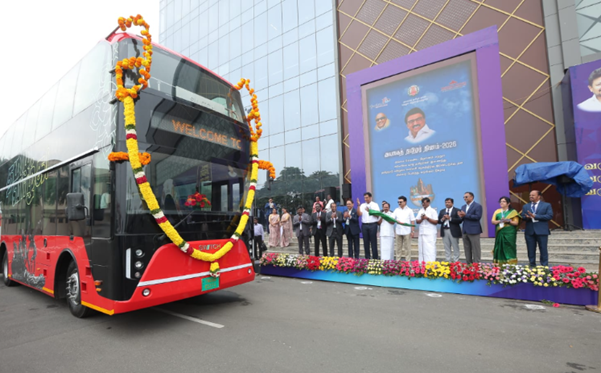
Chennai, Tamil Nadu, Jan 13: Ashok Leyland, the Indian flagship of the Hinduja Group and the country’s leading commercial vehicle manufacturer, along with Switch Mobility and Tamil NRIs based in the United States, today gifted a double-decker bus to the Tamil Nadu Tourism Department.

image001


Chief Minister of Tamil Nadu, Thiru M.K. Stalin, inaugurated Chennai’s new double-decker tourism bus service, which will connect the city’s iconic landmarks and heritage sites.

The initiative aims to offer residents and tourists an immersive experience of Chennai’s rich cultural and architectural heritage, while promoting sustainable and modern urban mobility solutions.

The initiative underscores Ashok Leyland’s continued focus on sustainable mobility and highlights its enduring partnership with Tamil Nadu in driving innovation-led growth in public and tourist transportation.

Rallis India Limited Launches “Idea2Impact™” An Open Innovation Ecosystem to Accelerate Farmer-First Agricultural Solutions

Mumbai, Jan 13: Rallis India Limited, a Tata Enterprise and a science-led agri-solutions company, today announced the launch of Idea2Impact™ Rallis Agri Innovation Ecosystem, a structured open innovation platform aimed at fostering collaboration across the agricultural ecosystem to accelerate the development of farmer-centric, sustainable solutions.

Idea2Impact™ has been conceived to bring external ideas, scientific capability, and real-world field insights together in a transparent and responsible manner. The ecosystem enables collaboration with farmers, researchers, startups, academic institutions, and small enterprises, providing them access to Rallis’ scientific expertise, R&D infrastructure, testing and validation capabilities, and pan-India market reach.

Indian agriculture is facing increasing complexity driven by climate variability, sustainability expectations, evolving regulatory requirements, and changing farmer needs. Rallis believes that addressing these challenges requires innovation that extends beyond organisational boundaries and is firmly grounded in scientific rigor and on-field relevance.

Idea2Impact™ follows a structured, milestone-based governance framework, covering confidentiality, evaluation, development, and value-sharing. Innovations submitted through the platform may progress through laboratory studies, greenhouse and multi-location field trials, piloting, and—where appropriate—commercialization, supported by clear intellectual property and royalty frameworks.

Dr. Gyanendra Shukla, Managing Director & CEO, Rallis India Limited, said:

“At Rallis, we believe that meaningful agricultural innovation emerges when strong science is combined with fresh ideas and real field experience. Idea2Impact™ is our way of opening up Rallis’ capabilities to the wider ecosystem, while maintaining the highest standards of governance, transparency, and scientific rigor. This platform will help us work more closely with innovators to develop solutions that deliver real value to farmers and contribute to the long-term sustainability of Indian agriculture.”

The ecosystem will focus on priority innovation domains critical to Indian agriculture, including Seeds and Trait Innovation (covering plant breeding and germplasm), Biological and Sustainable Solutions,

Crop Protection, Soil Health, Digital and Precision Agriculture, and Climate & Water Resilience. These focus areas align closely with Rallis’ long-term portfolio priorities and growth strategy.

As part of the Tata Group, Rallis brings to Idea2Impact™ a strong foundation of ethical practices, governance standards, and a long-term partnership mindset. Collaborations under the platform will emphasize responsible innovation, respect for intellectual property, transparent benefit-sharing mechanisms, and measurable farmer impact.

Through Idea2Impact™, Rallis aims to strengthen its innovation pipeline, accelerate the validation and scaling of relevant technologies, and build long-term partnerships that support sustainable value creation for farmers, partners, and stakeholders.

Spring Homes Are Getting Layered, Not Louder

Jaipur, Jan 13:  As homes transition into spring, interior lighting is undergoing a quiet but decisive transformation. Instead of relying on a single dominant light source, designers are embracing layered illumination, which adds depth, balance, and flexibility. The goal is no longer sheer brightness, but a nuanced atmosphere crafted through multiple light sources working in harmony.

Layered lighting responds to how spaces are actually lived in throughout the day. It allows natural daylight to lead, while artificial lighting enhances function without overwhelming architecture. The result is clarity rather than visual noise, creating interiors that feel composed, considered, and welcoming.

At Lumeil, this philosophy shapes every collection. Lighting is integrated into spatial planning from the outset, supporting both architecture and daily experience.

Why Layering Defines Spring Interiors

Spring light is softer and more fluid. As daylight hours lengthen, artificial lighting must adapt rather than compete. Layered schemes enable this transition, allowing different sources to take prominence at different times.

Designers typically work with three primary layers: ambient, task, and accent. Each serves a distinct purpose, and together they create spaces that feel calm, adaptable, and visually rich.

“Layered lighting allows a space to respond naturally to changing daylight and usage. It adds depth without excess.”  Naman Jain, Founder, Lumeil

Establishing the Ambient Layer

Ambient lighting forms the foundation of any layered scheme. In living rooms and open-plan areas, a well-chosen chandelier establishes spatial hierarchy while maintaining restraint.

  • The Allure Golden Orb Crystal Chandelier provides a diffused glow that complements daylight, anchoring the space without dominating it.

  • The Adonis Premium Chandelier balances seating and circulation zones with quiet elegance.

These fixtures act as anchors, allowing task and accent layers to perform seamlessly.

Defining Zones with Task Lighting

Task lighting adds precision and functionality. Over dining tables or kitchen islands, pendants define scale and focus.

  • The Panache Pendant Light directs illumination while maintaining visual elegance.

  • The Roseate Pendant Light Single works beautifully over reading corners or bedside tables, creating pockets of intentional light.

Planned early in the design process, task lighting reduces the need for excessive fixtures later.

Adding Depth Through Accent Lighting

Accent lighting introduces rhythm, texture, and subtlety. Wall-mounted fixtures are especially effective in spring interiors, complementing natural light rather than competing with it.

  • The Outline Wall Light highlights textures and artwork with a low profile.

  • The Duo LED Wall Light guides movement through corridors while remaining visually unobtrusive.

  • For vertical interest, the Muziris 3 Head Gold Cylindrical Pendant Light enriches surfaces with gentle light play.

“Accent lighting is where a space gains character. It supports architecture and materials rather than competing with them.”  Naman Jain, Founder, Lumeil

Layering Beyond the Living Room

Layered lighting extends naturally into secondary spaces:

  • The Roseate Floor Lamp introduces warmth and scale to lounge corners.

  • The Blade Pedestal Outdoor Light maintains continuity between interior and exterior areas.

When thoughtfully combined, these elements create a cohesive lighting language that unifies the entire home.

A Design Strategy, Not a Trend

Layered lighting is not a seasonal trend—it’s a considered design approach. It allows designers to respond to architecture, daylight, and human behaviour with precision. The question shifts from “how many fixtures do we need?” to “how does each light contribute to the overall experience?”

Homes that embrace layered lighting feel calmer, more adaptable, and enduring. They transition effortlessly from day to night, from functional tasks to relaxation.

In contemporary interiors, layering creates richness without clutter and atmosphere without excess. By combining ambient, task, and accent layers thoughtfully, designers craft homes that feel balanced, intentional, and quietly expressive.

The Real Green Luxury: Handmade Rugs That Outlast Fast Interiors

Jaipur, Jan 13: Interior design today is increasingly measured by lifespan. According to global interior lifecycle studies, most mass-produced soft furnishings are replaced within five to seven years, often sooner in high-use residential or hospitality spaces. This cycle of frequent replacement has become one of the largest contributors to material waste in interiors.

For designers moving away from fast interiors, sustainability is no longer an abstract idea. It is a practical design decision rooted in durability, maintenance, and long-term value. Within this shift, handmade rugs are being reconsidered not as stylistic elements but as infrastructure within a space.

The Performance Advantage of Handmade Rugs

The structural difference between handmade and machine-made rugs is not aesthetic alone. Hand-knotted and hand-woven rugs typically feature higher knot density, stronger tension control, and layered construction, all of which significantly extend lifespan. In real terms, a well-made handmade rug can last anywhere from twenty to fifty years with proper care. Many outlive the interiors they were originally designed for.

By comparison, machine-made rugs are often manufactured with synthetic backings and heat-bonded fibres that begin to degrade within a decade. Once the backing fails, repair is rarely viable. From a design specification perspective, this makes handmade rugs not only more sustainable but also more economical over time.

Man Made Rugs works exclusively with traditional weaving techniques that prioritise structural integrity. Each rug is made to be serviceable, meaning it can be cleaned, restored, and repaired rather than discarded. For designers, this offers predictability in performance and longevity across long-term projects.

Why Lifespan Is the Most Honest Sustainability Metric

“As designers, we often talk about sustainability in terms of materials, but the real question is lifespan,” says Pritam Khanna, Founder of Man Made Rugs. “If something needs to be replaced every few years, it isn’t sustainable. A handmade rug earns its place because it’s designed to stay.”

Material choice plays a measurable role in this longevity. Natural fibres such as wool and silk have proven abrasion resistance, thermal regulation, and elasticity, allowing them to recover from compression in high-traffic areas. Wool, in particular, is naturally flame-resistant and soil-repellent, reducing the need for chemical treatments over time.

Synthetic fibres, on the other hand, are a leading source of microplastic shedding in interiors. Studies have shown that synthetic carpets and rugs release microfibres into indoor environments through daily wear, vacuuming, and cleaning. For designers working with wellness-conscious clients, this has become an increasingly relevant consideration.

Sustainability Beyond the Finished Product

Handmade rugs also differ significantly in production impact. Machine-made rugs rely heavily on automated manufacturing, petrochemical-based materials, and energy-intensive processes. Handmade rugs require minimal electricity and are largely produced through human skill rather than industrial systems.

This slower production model supports artisan livelihoods and preserves regional weaving knowledge that has been refined over centuries. From a design ethics standpoint, handmade rugs contribute to social sustainability as much as environmental responsibility.

Visually, the benefit is equally tangible. Handmade rugs introduce subtle variation in weave and tone that softens interiors and prevents visual fatigue. Designers often use this nuance to balance highly polished surfaces such as stone, metal, and glass, creating spaces that feel warmer and more resolved.

A Foundational Element in Contemporary Design

Man Made Rugs approaches rug-making as a design collaboration rather than a decorative afterthought. The collections are intentionally restrained in palette and pattern, allowing them to integrate seamlessly into residential, commercial, and hospitality interiors.

“We think of our rugs as part of the foundation of a space, not an accessory,” Khanna adds. “When something is made slowly and with intention, it naturally belongs.”

For interior designers, this approach reduces replacement cycles, simplifies maintenance planning, and aligns with a growing demand for responsible specification.

Rethinking Luxury Through Measurable Impact

As sustainability continues to redefine luxury, handmade rugs stand apart for one clear reason. Their value can be measured not only in appearance, but in years of use, reduced waste, and long-term performance.
ShardaCare Healthcity and GIFT Host Thalassaemia Awareness Program with Free HLA Testing Camp

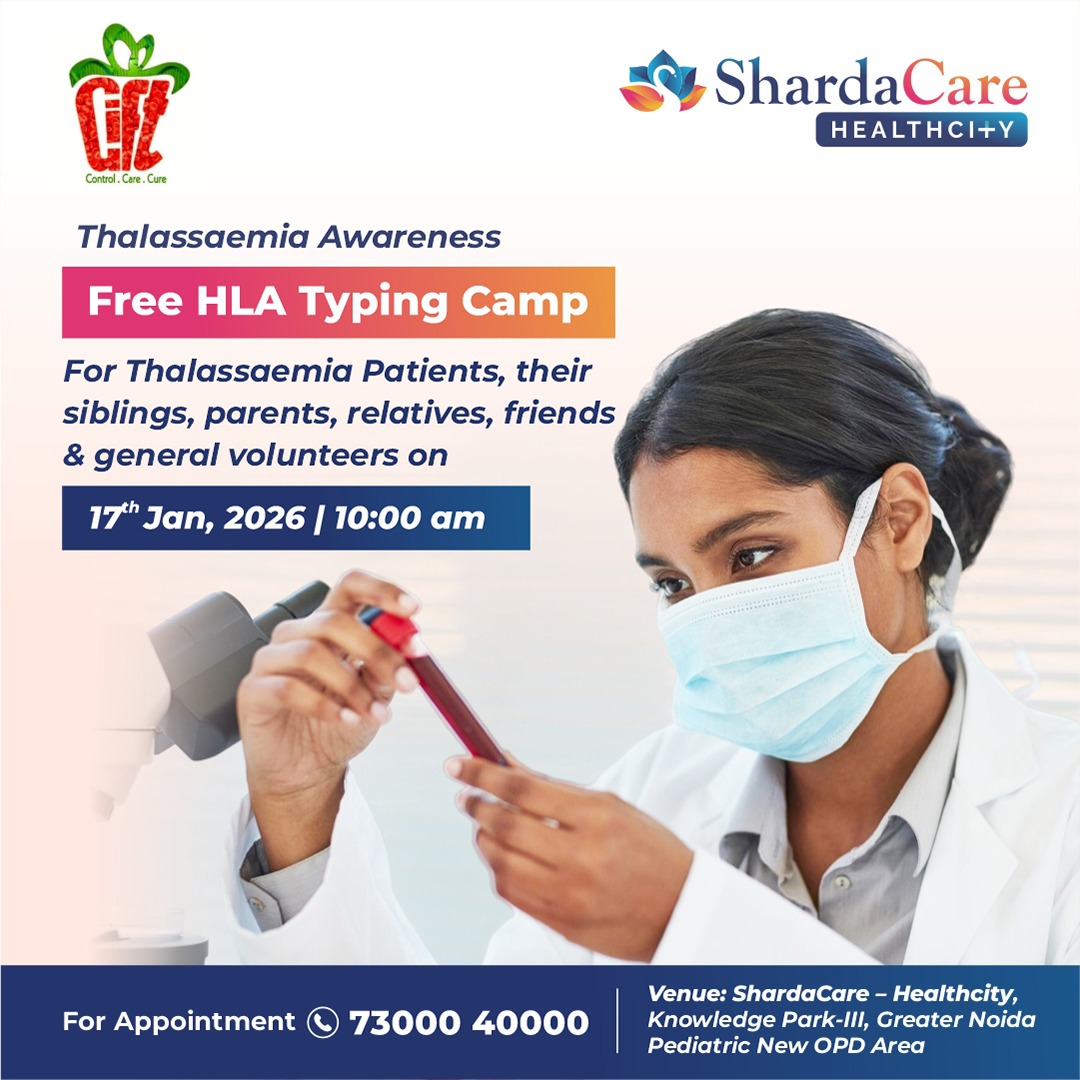
ShardaCare Healthcity in Collaboration with GIFT Hosts Thalassaemia Awareness Program with a Free HLA Testing Camp: Giving Children a Chance at Cure

Greater Noida, Jan 13:  ShardaCare Healthcity, a leading super-speciality hospital in Greater Noida, renowned for its advanced clinical capabilities and patient-centric approach, is organising a Bone Marrow Transplant (BMT) Awareness Program and Free Human Leukocyte Antigen (HLA) Testing Camp in collaboration with the Globally Integrated Foundation for Thalassaemia (GIFT). The camp will be led by Dr. Pawan Kumar Singh, Senior Specialist in Blood Disorders and Bone Marrow Transplantation. The awareness session will educate families about thalassaemia, available treatment options, such as bone marrow transplant, and the importance of early intervention. The free HLA testing camp will aim to identify suitable sibling donors – an essential factor for successful transplantation.

Free HLA Testing Camp

Thalassaemia is a serious paediatric blood disorder with far-reaching health implications. As a genetic condition, it often requires affected children to undergo lifelong, regular blood transfusions, placing a significant physical, emotional, and financial burden on families. India carries a substantial share of the global thalassaemia burden, with an estimated 10,000–15,000 children born with thalassaemia major every year. Despite this, limited awareness, delayed diagnosis, and restricted access to advanced treatments – such as Bone Marrow Transplant (BMT)- continue to pose major challenges. Encouragingly, medical advancements like BMT offer a curative option, holding the potential to free children from lifelong transfusions and dramatically improve their quality of life.

Dr Kousar Shah, Group CEO, Shardacare Healthcity, said,

“At ShardaCare Healthcity, our mission has always been to bridge the gap between advanced Healthcare and the people who need it most. Thalassaemia is a daunting challenge for any family, but with the right clinical expertise and timely intervention, it is a challenge that we can overcome. By hosting this HLA testing camp, we are not just providing a diagnostic service; we are providing a pathway to cure. We remain steadfast in our commitment to making high-end super-speciality treatments like Bone Marrow Transplants accessible and affordable, ensuring that every child has the opportunity to lead a life free from the burden of chronic illness.”

Dr. Pawan Kumar Singh, Senior Specialist in Blood Disorders and Bone Marrow Transplantation, said,

“Blood disorders such as thalassaemia is not just a complex medical condition – they place an immense emotional and financial strain on families. While Bone Marrow Transplant offers a life-changing and potentially curative solution, many children continue to remain undiagnosed or untreated due to limited awareness and access to resources. Through timely diagnosis, increased awareness, and improved access to care, we can give these children a real chance at a healthier and brighter future”.

Adding to this, Madan Chawla, Founder, GIFT, said,

“The very first and most critical step towards a bone marrow transplant is HLA testing. Unfortunately, this test is expensive and out of reach for many families. Without HLA testing, a transplant is simply not possible. Through this camp, our aim is to remove this barrier and offer free HLA testing to economically weaker families, enabling them to take the first step towards a cure.”

This initiative marks a significant step towards reducing the treatment gap for thalassaemia patients and reinforcing the commitment of GIFT and Sharda Care Health City towards inclusive and compassionate healthcare.

Beige Is No Longer Background. It Is the New Language of Sophisticated Interiors

Kishangarh, Jan 13:  For decades, beige quietly occupied interior spaces—dependable, neutral, and often overlooked. Today, it has undergone a meaningful transformation. In contemporary architecture and design, beige is no longer a supporting element or safe fallback. It has emerged as a deliberate design language, expressing calm, permanence, and understated sophistication.

This evolution reflects a broader shift in how luxury is perceived. Where opulence once defined status, today’s most refined spaces prioritise restraint, tactility, and emotional clarity. Beige especially in natural stone has become the medium through which this modern sensibility is articulated.

From Neutral to Structural

In modern interiors, beige no longer fades into the background; it anchors space. It shapes light, softens architectural volumes, and allows form and proportion to take centre stage without visual disruption. Warm-toned palettes create environments that feel composed rather than curated—spaces that reveal depth and character over time.

Designers are increasingly gravitating towards materials that do not demand attention, yet reward sustained engagement. Beige marble, with its gentle veining and mineral warmth, achieves this balance—offering richness without excess and elegance without overt display.

When Stone Becomes the Language

This shift is particularly evident in The Sands of Serenity collection by Tilak Marbles. Conceived as a cohesive palette rather than a statement piece, the collection brings together warm-toned marbles that emphasise continuity, softness, and architectural relevance.

Stones such as Pale Muse, Nude Horizon, Calm Matter, Ivory Trace, Linen Vein, Ecru Mist, Tuscan Earth, Honey Dune, Sand Muse, and Desert Whisper are defined by restraint. Their appeal lies in subtle tonal variations and nuanced textures surfaces that respond gently to light and integrate seamlessly with wood, metal, and natural textiles.

Rather than functioning as mere backdrops, these marbles form the quiet framework around which interiors are thoughtfully composed.

Designed for How Spaces Are Lived In

Beige’s renewed relevance also stems from its adaptability. Warm-toned stone surfaces transition effortlessly across residential, hospitality, and commercial spaces. They allow furniture, art, and human movement to coexist harmoniously an increasingly vital consideration in long-term, sustainable design.

In Indian interiors especially, where natural daylight is abundant and spaces are experienced throughout the day, beige marble softens light without diminishing it. The result is environments that remain visually calm while retaining architectural precision.

Reflecting on this material evolution, Praveen Gangwal, Founder of Tilak Marbles, said:

“Beige today is not about playing it safe. It is about making a conscious design decision—choosing materials that bring balance, warmth, and permanence to a space.”

He added:  “With The Sands of Serenity, we focused on stones that support architecture rather than overpower it. These are marbles that allow interiors to feel lived-in, calm, and relevant—not just today, but for years to come.”

The New Definition of Sophistication

Sophistication in contemporary design is no longer about immediacy; it is about endurance. Spaces are not created to impress at first glance, but to hold attention quietly, age gracefully, and remain emotionally resonant over time.

In this context, beige marble has moved far beyond neutrality. It has become structure, atmosphere, and intent—a material that reflects a deeper understanding of luxury as something experienced, not displayed.

Aretto Opens Its Doors at Vegas Mall, Dwarka

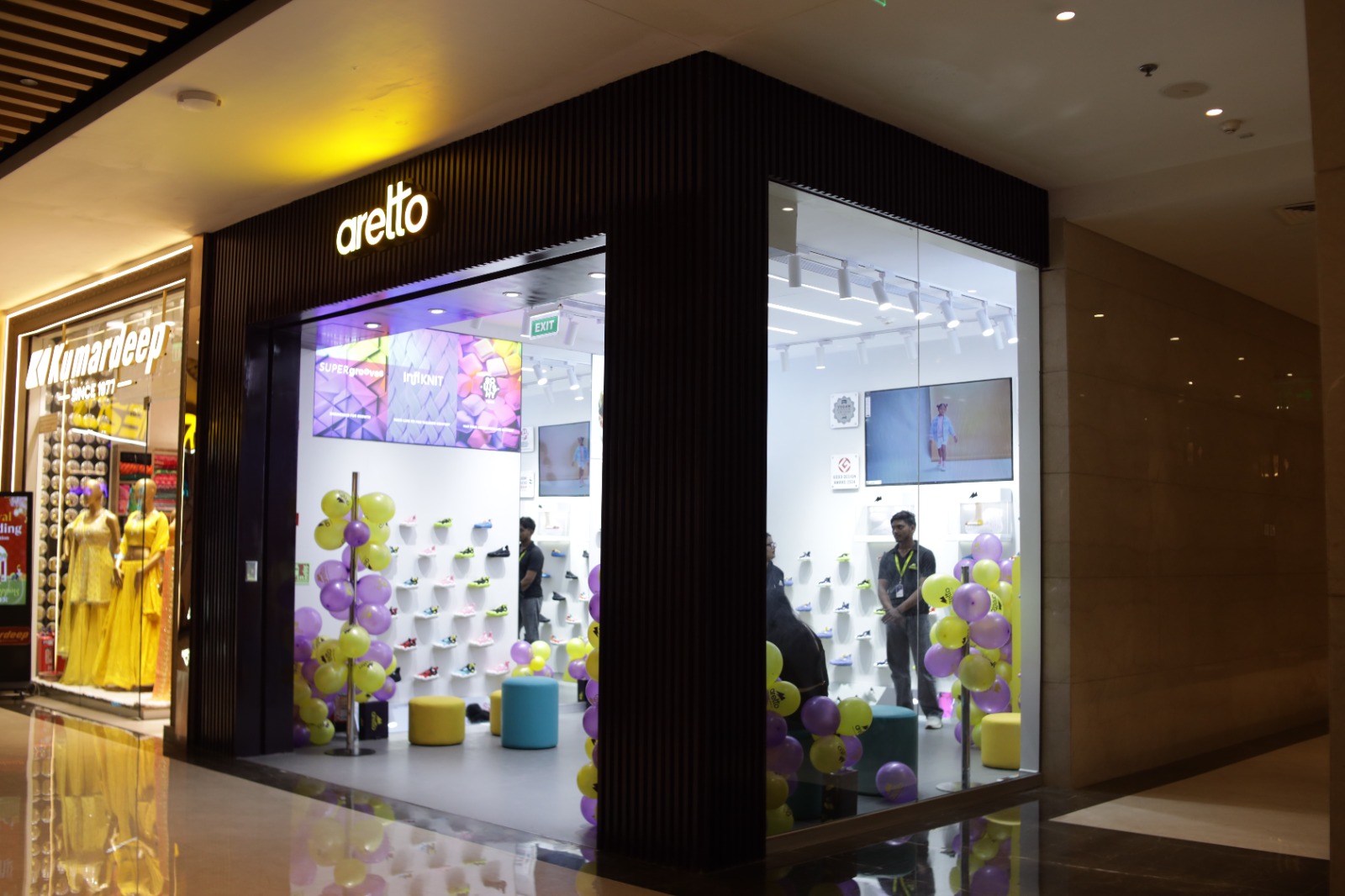
Delhi, Jan 13: Vegas Mall, one of Dwarka’s leading lifestyle and fashion destinations, is delighted to announce the grand opening of Aretto, a specialized kids’ footwear brand, now welcoming shoppers at the mall. The addition of Aretto enhances the mall’s expanding mix of lifestyle and fashion offerings, catering to families and young visitors seeking stylish comfort and quality footwear for children.

Aretto Opens Its Doors at Vegas Mall, Dwarka-1

Aretto is known for blending innovative comfort technology with playful style, designed especially for growing feet. The new store at Vegas Mall presents a curated range of kids’ shoes that prioritize ergonomic design, advanced sole technology, and a joyful in-store experience aligning perfectly with the mall’s commitment to providing diverse, family-friendly retail choices.

“With the launch of Aretto at Vegas Mall, we continue to elevate the shopping experience for families in Dwarka and the wider Delhi-NCR region,” said Ravinder Choudhary, Vice President, Vegas Mall. “We strive to bring brands that resonate with our community’s lifestyle needs, and Aretto’s fresh approach to children’s footwear reflects both innovation and joy values close to our ethos. We look forward to seeing our visitors embrace this exciting new addition.”

Vegas Mall remains dedicated to curating an eclectic and engaging retail environment from national and international fashion brands to experiential shopping concepts. The launch of Aretto reinforces the mall’s position as a go-to destination for quality, variety, and memorable family experiences.

Budget 2026 Must Accelerate Growth and Efficiency in India’s Dairy Sector: Dr. K Rathnam

Dr. K Rathnam, Whole-time Director and Chief Executive Officer, Milky Mist Dairy Food Limited

By:-  Dr. K Rathnam, Whole-time Director and Chief Executive Officer, Milky Mist Dairy Food Limited

“The dairy sector is a cornerstone of India’s food security and rural economy, directly supporting millions of farmers and allied livelihoods. Union Budget 2026 presents a timely opportunity to accelerate the next phase of growth for this vital sector.

We welcome the government’s continued support on the GST front and believe there is scope for further rationalisation of key inputs such as packaging material, refrigeration equipment, animal feed and veterinary services. This would go a long way in easing rising cost pressures and improving overall efficiency across the value chain.

A strong policy push towards strengthening cold-chain infrastructure and logistics is critical. Enhanced capital subsidies, interest subvention schemes and easier access to long-term credit will help bridge existing infrastructure gaps, reduce wastage and improve milk quality, especially in hinterland regions.

Targeted incentives for both dairy companies and farmers are equally important. Initiatives focused on productivity enhancement, fodder development, animal health, affordable cattle insurance and cold-chain logistics can significantly improve farmer incomes while ensuring consistency in supply.

From an industry standpoint, incentives for value-added dairy products, automation, advanced quality-testing laboratories and sustainability initiatives will encourage private players to invest in modern, scalable capacity aligned with global standards.

Overall, a balanced and forward-looking Budget that strengthens farmer incomes, upgrades infrastructure and enables organised dairy players to scale sustainably will create long-term value for the sector and reinforce India’s position as one of the world’s leading dairy economies.”

Kotak Alts Launches Katalyst Awards with ₹25 Lakh Prize to Crown India’s Best Financial Vodcast

Mumbai, Jan 13: Kotak Alternate Asset Managers Limited (“Kotak Alts”) today announced the launch of the inaugural Kotak Alts Katalyst Awards, a first-of-its-kind initiative designed to recognise and celebrate India’s best financial vodcast creator. Featuring a winner-takes-all prize of ₹25 lakh, the award aims to set a new benchmark for credible, high-quality financial content that educates, empowers, and builds confidence among India’s rapidly growing base of young and first-time investors.

The awards are open to Indian financial content creators, with applicants invited to submit one standout vodcast episode that was publicly available on YouTube and released during the 2025 calendar year (January 1 to December 31, 2025). Submissions can be made via katalyst.kotakalternateasset.com until January 31, 2026. Entries will be evaluated by a distinguished panel of industry experts on parameters including content quality, originality, and audience engagement.

Commenting on the initiative, Srini SriniWasan, Managing Director, Kotak Alts, said:

“India is witnessing an unprecedented wave of financial participation, with millions of new investors seeking clarity in an increasingly noisy digital ecosystem. Podcasts and vodcasts have emerged as powerful tools for financial literacy, but the quality and credibility of content vary widely. Katalyst addresses this gap by recognising a creator who simplifies complexity, delivers trust, and makes financial education both engaging and actionable.”

Eligibility and Submission Guidelines

  • Applicants must be Indian citizens residing in India with valid identification.
  • Applicants must have a minimum of 50,000 YouTube subscribers as of December 31, 2025.
  • Applicants should have at least one year of experience producing financial literacy vodcasts, with a minimum of three advisory episodes published by December 31, 2025.
  • One vodcast episode must be submitted, with a minimum duration of five minutes, released between January 1 and December 31, 2025.
  • Content should focus on simplifying finance for young and first-time investors, presented in English or major Indian languages, with English subtitles.
  • Entries must be submitted via katalyst.kotakalternateasset.com by January 31, 2026.
  • Final evaluation will be conducted by an eminent jury; details of the jury and assessment framework will be announced shortly.

The Kotak Alts Katalyst Awards honour creators who prioritise financial literacy over commercial interests—those who cut through digital noise to deliver clear, trustworthy, and impactful investment education. By recognising excellence in financial communication, the initiative seeks to elevate standards across the creator ecosystem, inspire responsible content creation, and foster a culture of informed investing in India.

Through Katalyst, Kotak Alts aims to make financial knowledge more accessible, engaging, and meaningful for millions of Indians, while encouraging creators to uphold the highest levels of authenticity, integrity, and educational value.